As seen in Arkansas Money & Politics
August 18, 2026
Five years can represent the blink of an eye or an eternity, depending on various factors.
The COVID-19 pandemic needed no time at all to turn the world on its head. Three months is all it needed, from the announcement of the outbreak in December 2019 to the global shutdown in March of 2020. Name, image and likeness transformed the world of American college sports in a similar fashion and timeframe.
Then again, the past five years have felt like an eternity for Razorback football fans. But with almost all aspects of everyday life now dependent on technology — and with tech advancing at an unprecedented rate — a lot can happen in five years.
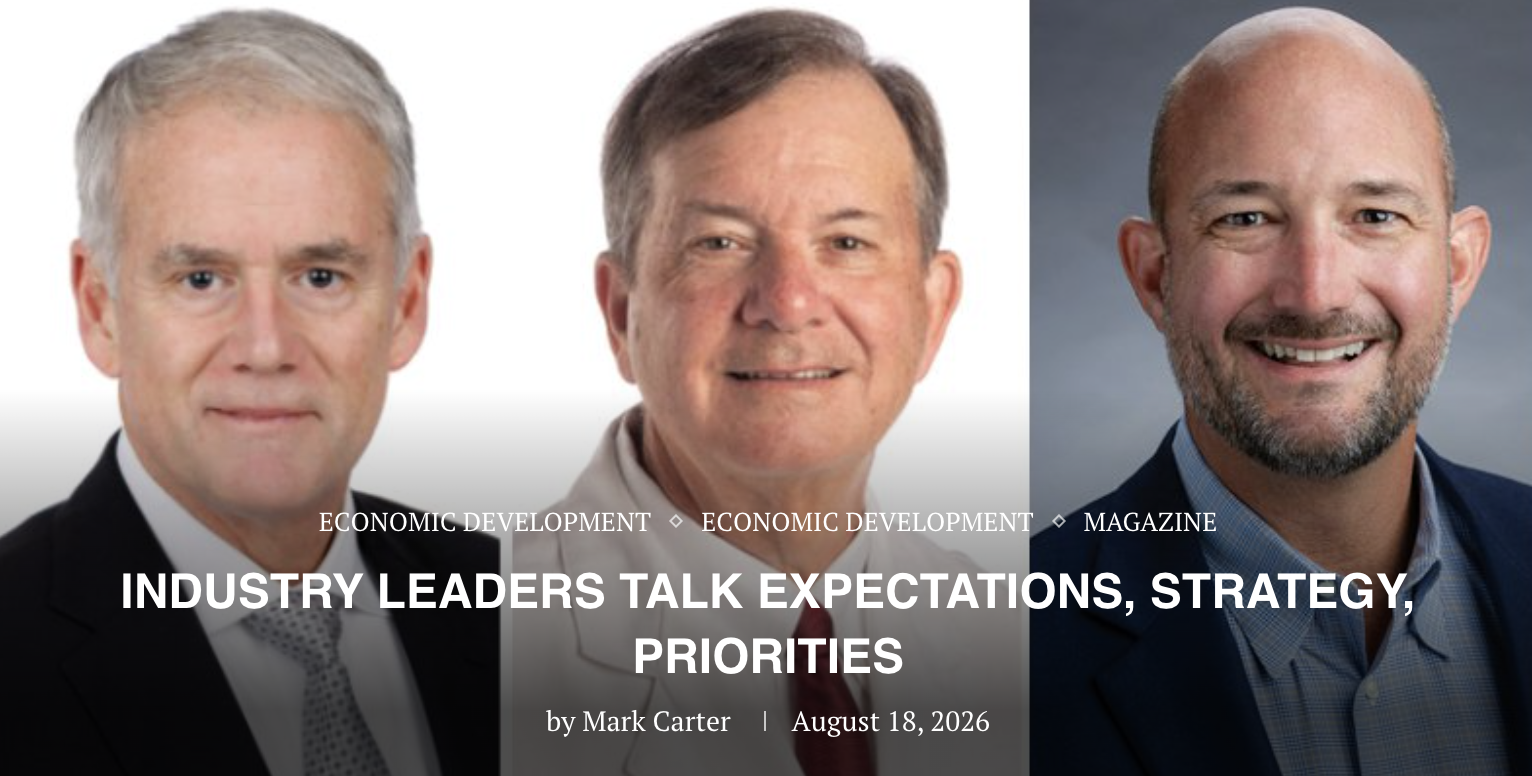
Arkansas Money & Politics visited with a few Arkansas industry leaders about what the next few years holds for their businesses, institutions and industries. Representing healthcare is Dr. C. Lowry Barnes, chancellor of the University of Arkansas for Medical Sciences in Little Rock; retired U.S. Air Force Lt. Gen. Jay Silveria, president of the University of Arkansas System, based in Little Rock, represents education and representing manufacturing is Patrick Schueck, president and CEO of Little Rock’s Lexicon.
Arkansas Money & Politics: What will the next five years have in store for your industry?
Lt. Gen. Jay Silveria: Over the next five years, Arkansans can expect education at every level to become more personalized, more technology-enabled and more closely connected to workforce and community needs. The traditional boundaries between K-12, higher education and careers will continue to blur as students seek flexible pathways that allow them to learn, earn credentials and enter the workforce more efficiently. We will see greater use of artificial intelligence and data-informed instruction to support student success, but the most successful institutions will be those that use technology to enhance — not replace — the personal, human relationships that are essential to learning.
Students in Arkansas, I believe, are in an advantageous position because of the unique needs of this state relative to many others. Education at every level will continue becoming more focused on economic and workforce development, and Gov. [Sarah Huckabee] Sanders and her team were ahead of the curve on making this a priority. As industries evolve and new opportunities emerge in areas such as healthcare, agriculture, advanced manufacturing, transportation, cybersecurity and data science, educational institutions will be expected to respond more quickly and strategically to meet workforce and training needs in their communities and regions.
At the same time, prioritizing innovation and research will be vital to driving discoveries that improve lives, strengthen communities, and contribute to economic and cultural development in areas like basic science, applied technologies, policy analysis, agriculture, healthcare, education, the arts, humanities and social sciences.
I feel strongly that lifelong learning will become the norm. The idea that education ends with a degree or a certificate and a student has a long career in the same field doing the same tasks will give way to more continuous skill development throughout a person’s career and adapting to new technologies and skill sets. It’s imperative that those in education at all levels are there with accessible, affordable and relevant programs to respond to this trend.
Patrick Schueck: I believe the next five years will be an exciting time for American manufacturing. Continued investments in infrastructure, energy, domestic manufacturing and advanced technologies are driving demand for high-quality steel fabrication, and industry forecasts point to continued growth.
I also believe northeast Arkansas will continue to emerge as one of the country’s most important manufacturing hubs. Lexicon has been proud to help shape the state’s steel industry, building the first steel mill in Mississippi County in the 1980s and every major mill there since. Today, we continue building and maintaining those facilities in northeast Arkansas while purchasing the steel they produce to fabricate projects across the country.
As more industries look to reduce input costs, transportation expenses and supply chain risks, I believe we’ll continue to see manufacturers choose to locate near the steel they depend on. That creates a powerful competitive advantage for Arkansas and strengthens the entire manufacturing ecosystem.
Dr. C. Lowry Barnes: The next five years will bring some of the most significant changes healthcare has seen in decades. Advances in artificial intelligence, precision medicine and digital technology will continue to transform how we diagnose disease, personalize treatment and deliver care.
While technology will play an increasingly important role, it will never replace the expertise, compassion and judgment of healthcare professionals. Instead, I believe we’ll see healthcare increasingly leverage technologies such as generative AI as a force multiplier, helping clinicians work more efficiently, reducing administrative burdens and expanding access to care as we face growing demand and a nationwide shortage of healthcare providers.
Arkansans can also expect remarkable advances in treating some of the most complex and difficult diseases through new therapies, precision medicine and research that moves discoveries to patients more quickly than ever before, but innovation alone isn’t enough. We owe every patient pathways that truly work for them, from their first point of access through diagnosis, treatment and recovery. That means creating a healthcare system that is more connected, more personalized and easier to navigate, ensuring people receive the right care at the right time regardless of where they live.
AMP: What are your industry’s next big challenges and opportunities?
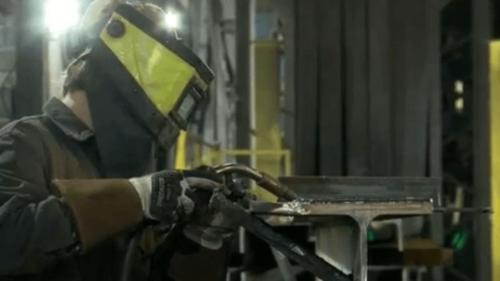
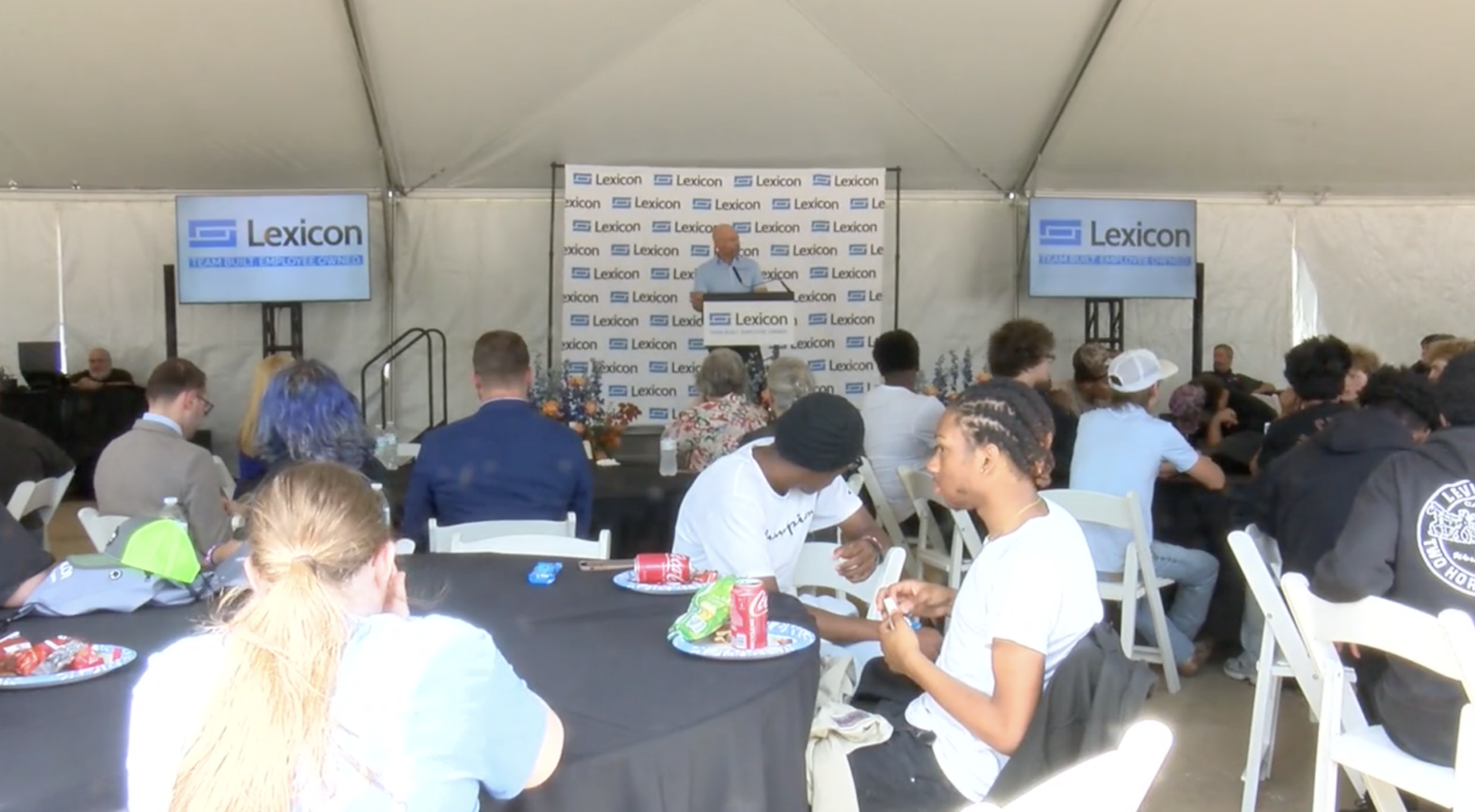
Schueck: The biggest opportunity will continue to be our workforce. Technology like advanced robotics will help us work smarter and take on more complex projects, but it won’t replace the need for people. In fact, as robotics expand our capabilities, they’ll also increase demand for highly skilled team members. That’s why we’re investing in workforce development through our Lexicon University training program and high school-focused programs like Steel Days and the Lexicon Academy of Advanced Manufacturing and Construction, both of which spark student interest in rewarding careers in the trades.
Barnes: Technology alone cannot solve the workforce challenges facing healthcare. Meeting the needs of our communities will require educating, recruiting and retaining the next generation of healthcare professionals who are essential to delivering high-quality care. Building and sustaining that workforce will be one of the most important investments we make over the next five years.
Silveria: There are always sizable challenges facing higher education institutions. The key is to adopt a strategic approach that quickly recognizes and responds to our challenges.
Among the biggest of these challenges include funding and overall financial concerns. We are looking at a generation of fewer high school graduates combined with an increasing attitude of mixed feelings generally about the role and value of higher education. Those factors paired with rising inflation and the relatively flat rate of public funding means our future will be defined by adaptability and value.
Students and families are increasingly focused on outcomes, affordability and return on investment, and it’s up to us to provide, communicate and innovate to find successes in these areas.
Our institutions will continue to provide the broad educational foundation that prepares graduates to be productive citizens and leaders, but they will also expand opportunities for internships, experiential learning, industry partnerships, certificates and short-term credentials that further align with workforce demands.
AMP: How has your business or institution managed to maintain growth in sometimes volatile environments?
Barnes: For states like Arkansas, where many communities are rural and access to specialty care can be challenging, innovation will be especially important. We can expect continued growth in telehealth, remote patient monitoring and stronger partnerships between health systems like UAMS and community hospitals to bring high-quality care closer to where people live. At the same time, healthcare will continue shifting its focus from treating illness to preventing it, with greater emphasis on chronic disease management, mental health, wellness and addressing the social factors that influence health.
The future of healthcare is not simply about new technology or new treatments. It is about creating a healthcare system that is more connected, more personalized and more accessible to help people live healthier lives while strengthening the health of our communities.
Silveria: At the University of Arkansas System, we believe the future requires us to be both innovative and responsive. When I arrived in 2024, it was a top priority of mine to travel to each of our 22 campuses, divisions and units and listen to challenges, successes and visions and to see for myself what we’re currently doing and how we can improve.
With more than 80,000 students and 30,000 employees across the state, leading the state’s largest higher education system means we serve Arkansans in incredibly diverse ways — what makes sense at our flagship institution doesn’t necessarily translate to our regional universities or two-year colleges or to one of our public-service units like the agriculture research stations in every county of the state.
What I learned was impressive. The effectiveness and responsiveness within the communities we touch is incredibly strong, yet I wanted to identify ways to make it stronger as a cohesive unit, so we developed an updated mission and six strategic pillars that are pointed enough to specifically target areas to improve but also general enough to be inclusive of the diversity of the UA System’s many parts.
The uniqueness of our institutions and the breadth of our geographic reach are among our greatest strengths. Within the six strategic pillars — access, student success, innovation, stewardship, responsiveness and collaboration — there is a premium put on shared areas of mission and responsibility across the system that provides a common framework to allow our institutions to advance their unique missions while working collectively toward systemwide goals.
I think our ability to thrive in the current environment reflects our ability to collaborate, while our future success relies on continuing in this spirit to educate effectively, operate efficiently and respond nimbly. Ultimately, the system, including the flagship campus, has managed to grow by adapting and evolving with the trends I’ve mentioned. One of our pillars is to be responsive to the needs of our state and the communities we serve. While this looks different for each institution, ultimately, our success and growth depends on our ability to respond quickly to the rapidly changing higher education landscape.
As leaders in public higher education, we bear a profound responsibility to strengthen the economy, health and cultural vitality of the communities we serve. Ultimately, Arkansans should expect higher education to be more accessible, more flexible and more connected to the state’s future prosperity than ever before. The institutions that thrive will be those that prepare students not just for their first job but for a lifetime of learning, adaptation and leadership in a rapidly changing world.
Schueck: As an employee-owned company, our future is tied to the success of our people. If we continue investing in them while embracing innovation, I believe the future of both Lexicon and American manufacturing will remain strong.